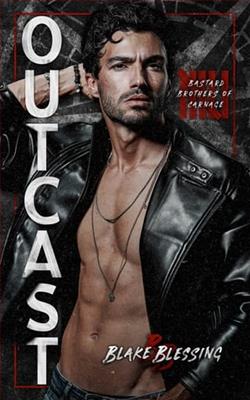
Outcast, penned by Blake Blessing, is an intricate tapestry of loyalty, betrayal, and the arduous pursuit of redemption, intricately woven into the fabric of a fantastical world. The narrative embarks with an engaging intensity that captivates from the first page, creating a rich, immersive experience that is both compelling and thought-provoking. In this review, we will delve into the multifaceted layers of this novel, highlighting its strengths in character development, world-building, and thematic execution that make it a notable contender in the realm of fantasy literature.
The novel's protagonist, Elara, is a figure shrouded in mystery and marred by a history of exile. From the onset, Blessing's ability to sculpt characters with profound depth and relatable vulnerabilities is evident. Elara's journey is more than a physical quest; it is a relentless exploration of self-identity and transformation. Each character she encounters is masterfully crafted with distinct voices and backgrounds, adding credible richness to the world. The supporting characters do not merely exist for Elara’s development but shine in their own right, each adding a layer to the story’s depth.
One of the standout features of Outcast is its world-building. Blessing constructs a universe where the ethereal and the corporeal coalesce, creating settings that burst forth from the pages vividly. From the decrepit landscapes scarred by ancient wars to the bustling marketplaces thronging with diverse peoples, each location is painted with a meticulous attention to detail. However, it's not just the physical descriptions that are impressive; the social, political, and religious structures are equally well-crafted. This elaborate backdrop is not merely a setting but an active participant in the narrative, influencing events and character decisions significantly.
The thematic core of Outcast revolves around the concept of "otherness" and societal acceptance. Through Elara’s interactions and the societies she navigates, Blessing poses potent questions about tolerance, justice, and equity. The narrative does not shy away from the bleak realities of discrimination and oppression, but rather confronts them head-on, prompting readers to reflect on parallel realities in our own world. The magic system in the book, tied intricately with the lore of the land, serves as both a metaphor for power and a literal tool of change, further enriching this thematic exploration.
Despite these strengths, Outcast is not without its flaws. At points, the pacing suffers as the vividly described world sometimes overwhelms the progression of the plot. Certain sections, heavy with ornate description and exposition of the world’s history, tend to slow down the narrative drive, making the middle part of the book slightly dragging. Furthermore, while most characters are intricately depicted, a few secondary characters could have benefitted from deeper development to fully realize their potential impact on the protagonist’s journey.
Moreover, Blake Blessing’s prose style warrants praise. It balances eloquence with accessibility, making the narrative rich yet digestible. The dialogues are crafted with care, often laced with wit and wisdom, which maintains a lively pace and injects levity in the otherwise grim circumstances the characters find themselves in.
The finale of Outcast is both a climax and a testament to the novel's built-up narrative and thematic tension. Without venturing into spoilers, the resolution is satisfying yet leaves open avenues for further contemplation and discussion. It respects the complexities of its characters and the world they inhabit, offering closure but not simplification, which is a delicate balance to achieve in any genre, particularly in fantasy where the epic and the personal are often interwoven.
In conclusion, Outcast by Blake Blessing is a commendable addition to the fantasy genre, offering a blend of intrigue, emotion, and a vividly depicted world. The book triumphs in portrayal of complex characters and thematic depth, though it occasionally suffers from uneven pacing. Nonetheless, for those who revel in elaborate world-building and philosophical undertones woven through tales of magic and struggle, Outcast will likely resonate and persist in the imagination long after the final page is turned. Blake Blessing’s craftsmanship in narrative artistry is undeniable, promising potential for future works that may continue to enchant and provoke thought among discerning readers of fantasy.



