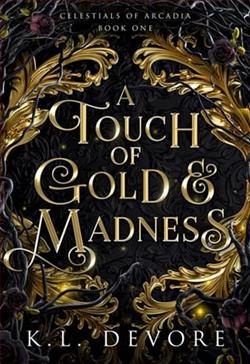
A Touch of Gold and Madness, authored by K.L. DeVore, weaves an intricate tale that teeters between myth, magic, and madness. This novel, structured as a historical fantasy, delves richly into ancient lore while cleverly integrating elements of adventure and psychological complexity. DeVore's narrative skillfully marries the enchanting allure of legendary narratives with the raw, emotional quests of her characters, making it a compelling read for enthusiasts of both genres.
The story centers around Elysia, a young woman cursed with the Midas touch—a gift, or rather a curse, inherited from her father, Midas himself. Unlike the traditional tale that paints Midas's ability as purely golden, DeVore introduces a riveting twist: Elysia's touch brings not only gold but also a consuming madness. This madness is both a literal and figurative element, influencing character interactions and plot progression in a dance of desire and destruction that threads through the narrative.
DeVore’s Elysia is portrayed with a depth that is seldom afforded to mythical characters. She is not just a passive recipient of an unfortunate legacy but an active participant in her fate, wrestling with the dual forces of her blessing and curse. The author does an exceptional job at character development, fleshing out Elysia with vulnerabilities and strengths that make her both relatable and admirable. She is surrounded by a cast of supporting characters each detailed with their backstories and motivations, enriching the tapestry of the story.
The setting of A Touch of Gold and Madness is another of DeVore’s masterstrokes. Drawing from extensive mythical and historical research, she crafts a world that feels simultaneously ancient and timeless. Her descriptions of landscapes, palaces, and seascapes are vivid and evocative, transporting readers straight into the heart of a legend being unfolded. The setting not only serves as a backdrop but actively influences the plot, with the geography and the elements intertwining with the curse of Midas in surprising ways.
Plot-wise, DeVore manages to keep the narrative taut with tension and suspense. The addition of the madness brings a fresh perspective to the Midas touch myth, adding layers and stakes to the story that are both high and personal. As Elysia navigates through her cursed life, the trials she faces are not just physical but deeply psychological. This blend of external adventure and internal struggle is balanced with a deft hand by DeVore, ensuring that the story does not sag under its own ambition.
The prose of A Touch of Gold and Madness is another element worthy of praise. DeVore’s language is rich and lyrical, fitting the mythic theme of the book. Her ability to conjure hauntingly beautiful images with words is remarkable, making the reading experience not just engaging but truly immersive. The dialogue is crafted with care, reflecting the historical setting without feeling archaic, thus maintaining accessibility for modern readers.
While the novel is largely successful in its execution, it does demand a certain patience and attention from its readers owing to its complex narrative structure and the dense intertwining of themes. The pacing, although generally well managed, might feel slow to some, particularly in portions where psychological introspection takes precedence over action.
Furthermore, DeVore’s novel does not shy away from exploring dark themes. The madness that accompanies the golden touch is portrayed with a realism that is at times unsettling. This adds a gritty realism to the story, making it a recommended read for those who appreciate fantasy with dark undercurrents but perhaps a bit intense for younger readers or those sensitive to such themes.
In conclusion, K.L. DeVore’s A Touch of Gold and Madness is a novel of remarkable ambition and beautiful execution. It offers a fresh take on a familiar myth, infusing it with psychological depth and a richness of narrative that is both challenging and rewarding. With its well-crafted protagonists, evocative settings, and lyrical prose, it stands out as a significant contribution to the genre of mythic fantasy. Readers looking for a story that blends the allure of ancient myths with the introspective depth of modern storytelling will find this book a golden, albeit mad, delight.



