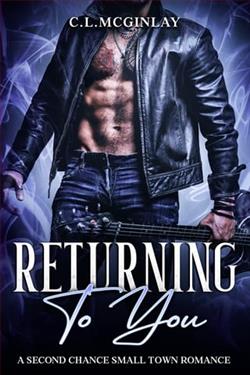
Return to You by Charlotte McGinlay is a poignant exploration of love, loss, and the transformative power of healing that tugs at the heartstrings. The novel navigates through intricate emotional landscapes, weaving a tale that is both heartwarming and heart-wrenching, compelling readers to reflect on their own experiences of love and redemption.
The story revolves around Emma, a young woman grappling with the profound grief of losing her fiancé, Michael, in a sudden accident. As Emma's world crumbles, she finds herself at a standstill, unable to move forward from the pain and memory of her loss. The narrative is beautifully crafted, capturing the essence of Emma’s desolation with such rawness that it feels palpable. McGinlay’s portrayal of grief is meticulously detailed, providing a deep insight into the turmoil that accompanies such a profound loss.
However, the core of the novel lies in its uplifting journey towards healing. Emma’s path to recovery is ignited by her encounter with James, a psychologist with his own shadowed past. James is intricately portrayed, his character molded by his experiences and his profession, making him both flawed and relatable. As Emma begins therapy sessions with James, layers of her grief are slowly peeled away, revealing the deep-seated issues she must confront to truly heal.
The dynamic between Emma and James is a focal point of the narrative. McGinlay masterfully captures the tentative steps both characters take towards each other, filled with hesitations and setbacks that are true to real-life recovery processes. The slow-building romance is tastefully handled, ensuring that the story does not veer off into cliché but stays grounded in the realistic challenges they face. Their relationship, blossoming amidst their individual healing, beautifully illustrates how people can help each other mend emotionally, yet it never overshadows their personal growth.
Return to You also excels in its supportive cast, each adding depth and perspective to the story. From Emma’s supportive yet sometimes overly protective family to James’ eccentric but wise mentor, each character enriches the narrative. These relationships are depicted with complexity, showing both the supportive and challenging aspects they bring into Emma’s life. These interactions are crucial, demonstrating that overcoming grief is not only a personal journey but also a communal effort.
Charlotte McGinlay’s prose is another highlight of the novel. It is lyrical yet accessible, with the ability to draw readers into Emma's world completely. The shifting perspectives between Emma and James are handled with finesse, allowing readers to understand and sympathize with both characters deeply. McGinlay’s use of settings is equally commendable, with each location vividly described and contributing to the tone and atmosphere of the scenes—whether it’s the tranquil settings where Emma finds solace or the claustrophobic spaces that mirror her initial emotional state.
Themes of mental health are woven throughout the narrative with sensitivity and insight. McGinlay doesn’t shy away from showcasing the complexities of mental wellness, effectively addressing the stigma and the struggles involved. Her depiction of therapy is notably realistic and uplifting, providing a hopeful message about the benefits of professional help.
Towards its climax, Return to You intensifies both emotionally and narratively as Emma and James confront their pasts and the fears that come with moving forward. The resolution is satisfying, though not without its trials, providing a realistic portrayal of how true healing and happiness are earned rather than given.
In conclusion, Return to You by Charlotte McGinlay is a deeply moving novel about enduring grief and finding a way back to life and love. The characters are intimately drawn, and their journeys toward healing are depicted with authenticity and care. It’s a compelling read that not only entertains but also inspires hope and understanding around the delicate subjects of loss and recovery. This novel is highly recommended for those who appreciate a sensitive portrayal of challenging life experiences, underscored by a gentle reminder of the redeeming power of love and connection.



