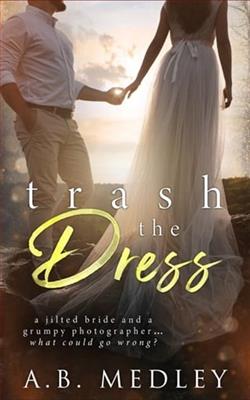
Trash the Dress by A.B. Medley explores the intricate dance of reclaiming independence and identity in the aftermath of a turbulent divorce. With a backdrop that vividly paints emotional landscapes almost as compelling as its characters, Medley's novel is a celebration of resilience, set within the contemporary genre but wrapped with the depth of literary fiction. This book carries the weight of a heartfelt journey through its fast-paced narrative and rich, flawed characters, making it both an engaging and thought-provoking read.
The novel centers on Joanna Wilkins, a high school art teacher who embarks on an audacious symbolic act of liberation after her public and messy divorce—destroying her wedding dress in an act of ceremonial defiance and freedom. The “trash the dress” photography session, intended as a cathartic release, accidentally becomes a viral sensation. Joanna becomes the poster woman for a spontaneous movement of empowering divorcees, launching her from a local school scene to a national dialogue about love, loss, and independence.
Joanna’s journey is deftly captured with sensitivity and wry humor by Medley. The first-person narrative allows readers intimate access to Joanna's internal struggles and triumphs. As she navigates the aftermath of her viral fame, which includes grappling with her image being co-opted by commercial interests and the public's insatiable appetite for sensationalizing personal stories, Joanna’s journey is rendered with a rich emotional palette. Her efforts to redefine her identity and personal boundaries, while also handling the new pressures of unwanted fame, are portrayed in a way that is both universal and deeply personal.
The secondary characters are equally well-drawn, providing support and conflict pivotal to Joanna’s character arc. Her spirited best friend and the cynical new love interest contribute layers to the narrative, challenging and supporting Joanna in equal measure. The dynamics of these relationships deepen the novel’s exploration of trust and vulnerability after betrayal. The subplot involving the protagonist’s skeptical engagement with a new romantic relationship underscores the novel's central theme about the courage to trust and love again despite past wounds.
Medley’s writing style is engaging, characterized by sharp dialogue and vivid descriptions that bring scenes dramatically to life. One can almost feel the fabric of the wedding dress rip apart, symbolizing the tearing away from past pains and the embrace of a future crafted by one's own rules. The author’s flair for capturing emotional subtleties in prose elevates the narrative, making it as much a guide for emotional recovery as it is a novel.
However, Trash the Dress does more than just tell a story of personal recovery; it delves into the broader societal implications of how women are perceived in the wake of relationship failures. Through Joanna’s eyes, readers witness the double standards and cultural expectations that often dictate a woman's recovery from divorce. The novel challenges these norms in a powerful narrative arc that advocates for the autonomy and empowerment of women to redefine their happiness and success on their own terms.
Despite the strength of Medley's protagonist and the engaging style, the novel occasionally struggles with pacing, particularly in the middle sections where the blend of introspection and action seems to lose its fine balance. Furthermore, the ending might feel slightly rushed, leaving a few emotional threads slightly underexploited, which might detract from the otherwise strong narrative closure.
In conclusion, Trash the Dress by A.B. Medley is a poignant, empowering read that captures the complexity of starting over with humor, grace, and grit. It's a compelling testament to the indomitable spirit of those who choose to create their own silver linings. Medley proves herself not just a storyteller but a keen observer of human resilience and the transformative power of reclaiming one's story. While not without minor flaws, this novel is a significant contribution to contemporary women's fiction, ripe with lessons about the beauty of self-rediscovery after the storm of upheaval.



