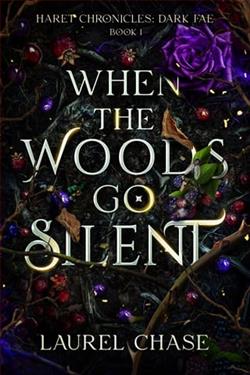
When the Woods Go Silent, a novel by Laurel Chase, is a gripping tale that masterfully blends elements of suspense, mystery, and a deep connection with the natural world. The narrative takes us deep into the heart of an ancient forest where the storyline unravels an intriguing blend of human emotion and eerie occurrences, marking it as a standout addition to the genre of environmental thrillers.
Laurel Chase sets her story in the secluded town of Grenville, located on the edge of the expansive and mystical Rothwood Forest. The protagonist, Nina, is a young conservationist who returns to her hometown after a decade. Her mission is simple yet profound: to save the Rothwood from the clutches of industrial development. However, upon her return, she finds the woods whispering secrets of their past, and soon, her conservation efforts turn into a quest to uncover truths buried long ago.
The author excels in her depiction of Rothwood Forest, transforming it into a character in its own right. The lively descriptions of the dense flora, the cacophony of twilight creatures, and the silent watch of ancient trees serve to create a setting that is almost tangibly real and foreboding. Chase’s prose thrives in its lush descriptions and evocative imagery, making readers feel the mist on their skin and hear the rustle of leaves with every turn of the page.
The narrative pace of When the Woods Go Silent is deliberately slow, akin to a foggy morning in Rothwood that gradually unveils its secrets with the rising sun. This pacing might not cater to everyone's tastes, often bordering on languid, but it effectively builds a suspenseful atmosphere that grips the reader’s attention. As Nina uncovers one clue after another, the tension escalates, culminating in a series of twists that are as unexpected as they are satisfying.
Critically, Chase addresses the environmental theme with a balance of didacticism and narrative charm. Through Nina, the author explores the profound connections humans share with their natural surroundings, and the repercussions of neglecting these ties. The conservation messages are woven into the plot seamlessly, never feeling preachy but rather integral to the understanding of the characters and the unfolding mystery. The subtle critique of modern development resonates through the narrative, urging a reflective consideration from the reader.
A distinct feature of Chase’s novel is her craftsmanship in character development. Nina, as the central figure, is portrayed with depth and complexity. Her passion for the environment, her fears of corporate greed, and her struggles with returning to a place fraught with personal history are depicted with heartfelt empathy. Supporting characters, from the old forest ranger to Nina’s childhood friend-turned-developer, are equally well-crafted, each adding layers to the story’s thematic depth and emotional resonance.
One of the novel's minor criticisms could be its occasional over-reliance on elements of the supernatural to drive the plot. While the inclusion of these elements intensifies the mystery, at times it feels as though it slightly undermines the otherwise stark realism of the narrative. However, these elements are handled with enough finesse to keep them from becoming overbearing, and they add a unique flavor to the overall story that many readers will appreciate.
In terms of its philosophical undertones, When the Woods Go Silent delves into the existential. Chase prompts her readers to ponder the impermanence of human achievements in contrast to the ageless endurance of nature. These themes are deftly embroidered into the climax and resolution of the plot, leaving a lasting impression on the reader.
In conclusion, When the Woods Go Silent by Laurel Chase is an evocative, beautifully penned novel that offers more than just a mystery. It presents a nuanced conversation about conservation, the mystical allure of unspoiled nature, and our place within the environmental tapestry that sustains us. While the pacing may not suit everyone, the book is a compelling read for those who are drawn to stories that intertwine nature, humanity, and the shadows that lurk at the edges of the known world. It is a noteworthy addition to the shelves of both environmental advocates and fans of richly woven narratives.



