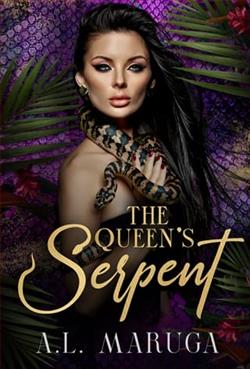
In The Queen’s Serpent, debut author A.L. Maruga crafts a sprawling fantasy epic rich in lore, intrigue, and vivid characterization. This novel, the first in a projected series, introduces us to the lush, perilous world of Eloria, where magic thrums just beneath the surface and political machinations threaten to alter the realm’s fragile balance of power.
At the heart of the story is the enigmatic Queen Seraphine, ruler of the kingdom of Serath. Known for her wisdom as much as for her ruthlessness, the queen hides a deadly secret that if exposed, could shatter her reign. When a mysterious serpent with mystical abilities appears in her court, the queen must navigate a dense maze of friend and foe alike. The serpent, which we discover early on is a catalyst for magic unseen in centuries, becomes both her protector and potentially, her undoing.
Maruga uses a third-person omniscient POV, allowing readers a panoramic view of Eloria’s diverse landscapes—from the shimmering towers of Serath’s royal palace to the murky, treacherous swamps of the Outlands, inhabited by the rebellious Marshfolk. This narrative choice effectively builds a world that feels vast and teeming with life, encompassing the multiple storylines without losing focus.
One of the standout elements of Maruga’s writing is her attention to the intricacies of court politics. The reader is drawn deep into a web of alliances and betrayals. Every character is meticulously crafted, with motives that are believable and complex. Whether it’s the overambitious court advisor with a traitorous plan or the downtrodden servant girl with unexpected courage, Maruga ensures each voice is distinct and consequential to the central mystery of the serpent’s origin and purpose.
Amidst the high stakes political drama, Maruga weaves a rich tapestry of cultural and social commentary. Eloria is a land divided not only by political allegiances but also by class and race. The depiction of the Marshfolk, for example, touches on themes of segregation and the struggles for societal acceptance. These elements add a significant layer of depth, prompting readers to ponder the real-world implications of the narrative.
The magic system in The Queen’s Serpent is uniquely tied to nature, with individuals known as Greenwitches wielding powers that can both heal and destroy. Maruga delves deep into the lore, exploring its origins and the cosmic laws that govern it. This mystical element serves not just as a backdrop but as a pivotal aspect of the plot, driving conflicts and paving the way for some truly suspenseful moments.
However, no book is without its flaws. At times, the narrative's pace suffers due to overly descriptive passages that, while beautifully written, slow down the momentum of the story. Additionally, the sheer number of characters can be overwhelming, occasionally making the narrative thread difficult to follow. While this complexity adds richness, it might challenge readers who prefer a more streamlined story.
Maruga’s prose is lush and evocative, rich with metaphor and symbolisms that elevate the fantasy genre. Scenes describing the Serpent’s uncanny interactions with the Queen, and the subsequent ethereal forms of magic, are particularly mesmerizing. The dialogue is crafted with care, each word chosen to reflect the distinct worldviews and social standings of the characters.
The climax of the book is a heart-pounding sequence of betrayal, revelation, and magic unleashed. It sets the stage perfectly for the next installment, leaving readers eager for more while satisfying the narrative arcs earlier set up. The resolution of Queen Seraphine’s immediate dilemmas is handled with finesse, providing a fulfilling temporary conclusion while hinting at darker times ahead.
In conclusion, The Queen’s Serpent by A.L. Maruga is a formidable debut, promising an exciting series for fans of intricate fantasy novels. Maruga's masterly storytelling, combined with a sophisticated world-building and deeply layered characters, makes this book a must-read. Despite some issues with pacing and complexity, the narrative is a compelling blend of magic, power, and survival, showcasing Maruga as a significant new voice in fantasy literature.



