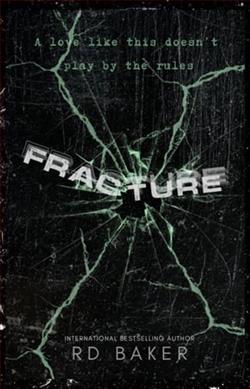
In the realm of psychological thrillers, "Fracture" by R.D. Baker finds a secure spot, gripping the reader from the foreboding outset through its labyrinthine turns. The novel not only delves into the fractured realities of its characters but also casts a stark light on the shadows lurking within human psyches, making it a must-read for fans of sophisticated narratives that provoke both thought and emotion.
The book introduces us to Emily Toller, who, on the one-year anniversary of her brother's sudden and mysterious death, begins to perceive unsettling cracks in her day-to-day reality. Described as a prodigiously intelligent but increasingly paranoid protagonist, Emily's journey is one painted with broad strokes of grief and horror. R.D. Baker does a masterful job at building tension, layering the supernatural elements so subtly that one might, at times, believe them to be figments of Emily's troubled mind.
The setting is an ever-present character in itself; the small, claustrophobic town of Stavern, located on the fog-laden coastline. Baker's rich descriptions conjure images of a town suspended in time, cloaked in a perpetual shroud of mist that seems almost metaphorical for the murkiness of truth in the story. Through detailed and immersive scenery, the narrative cleverly mirrors the internal turmoil of its characters, particularly Emily, who finds herself ensnared in a web of deceit, familial secrets, and psychological disarray.
What sets "Fracture" apart is its adeptness in weaving themes of mental illness and trauma alongside the elements of a traditional thriller. The exploration of Emily's deteriorating mental health is handled with finesse, avoiding cliches and instead offering a raw, unfiltered portrayal of her struggle. Baker evokes sympathy for Emily, making her a complex figure whose perceptions are unreliable yet deeply compelling. This psychological depth is fortified by supporting characters who are equally well-crafted, each contributing to the tense yet vulnerable dynamic that drives the plot forward.
The narrative architecture of "Fracture" is intricately plotted; each chapter serves as a piece of a larger puzzle. Revelations are timed impeccably, with twists that are both shocking and satisfying. Baker employs a variety of literary devices, including unreliable narration and foreshadowing, to keep the reader guessing. However, it’s the smaller, quieter moments laden with existential dread that pulse with real power, echoing the themes of isolation and the human condition.
On a stylistic note, Baker's prose is both elegant and accessible, managing to convey complexity without convoluted sentences. The dialogue is sharp, often veering into the territories of dark humor and biting irony, which provides necessary levity amidst the dark themes of the novel. Moreover, Baker's handling of the pace is adept, intensifying as Emily uncovers more about the circumstances of her brother's death, and slowing down to allow the reader to simmer in the terrifying realizations as they come to light.
The psychological underpinnings of "Fracture" extend beyond the personal to touch on broader societal issues, such as the stigmatization of mental health and the legacy of trauma. Baker doesn’t just tell a thrilling story; the author invites us to question how we perceive reality and memory, making "Fracture" resonate on a deeply intellectual level as well.
However, no novel is without its flaws. At times, "Fracture" might feel overwhelming due to the dense layers of its narrative complexity. Readers looking for a straightforward thriller might find themselves daunted by the psychological and philosophical heft that Baker insists on incorporating. Yet, for those who are willing to traverse its depths, "Fracture" offers a rewarding exploration of the human psyche.
In conclusion, "Fracture" by R.D. Baker is a brilliantly crafted psychological thriller that deftly intertwines elements of horror, mystery, and a profound examination of reality and illusion. The narrative is compelling, the characters are richly developed, and the plot twists are executed with finesse. This book is a commendable addition to the genre, offering both the chills expected of a thriller and a thoughtful dissection of the fragile human condition. It is a haunting, memorable read, guaranteed to linger in the thoughts and unsettle the calmest of minds.



