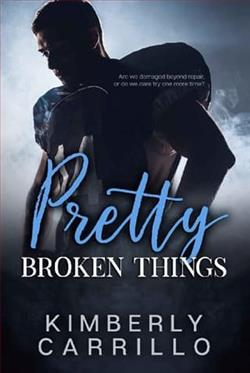
Pretty Broken Things by Kimberly Carrillo is a compelling novel that delves into the intricate dynamics of loss, betrayal, and the arduous journey towards healing. Carrillo masterfully crafts a narrative that not only engages the reader but also invokes a deep emotional response through its portrayal of vivid characters and poignant themes.
The story revolves around the life of Zoey James, whose world is turned upside down following the tragic death of her sister, Ava. Zoey’s struggle with grief is palpable from the outset, rendered with such authenticity that it resonates deeply. The author uses this tragedy as a pivot to explore various facets of Zoey’s relationships with those around her, particularly highlighting the strains and bonds that tragedy can induce within a family.
Carrillo excels in character development, painting each persona with intricate strokes that reveal flaws, virtues, and the tumultuous battle between the two. As Zoey traverses through her journey of self-discovery and coping, she encounters characters that challenge her understanding of loyalty and love. Among these is Ethan, Ava's former boyfriend, whose own demons and connection with Ava make him a complex ally and occasionally an antagonist in Zoey's story. The evolving relationship between Zoey and Ethan is depicted with a raw intensity that is both enthralling and heart-wrenching.
The narrative is layered with subplots that enrich the central theme of the novel. Carrillo does not shy away from touching on sensitive subjects such as mental health, addiction, and the impact of societal expectations on personal grief. These threads are woven seamlessly into the main storyline, providing a richer canvas that mirrors the complexity of real life and human emotions. The subplot involving Zoey's mother, whose own form of grieving is to bury herself in denial and work, adds a poignant layer to the narrative, offering a stark contrast to Zoey’s confrontational path to healing.
Stylistically, Carrillo’s prose is both elegant and accessible, making Pretty Broken Things a smooth and captivating read. Her ability to describe scenes vividly brings each moment to life, allowing the reader to feel the chill of sorrow or the warmth of a tentative smile. Additionally, the dialogue between characters is crafted with care, realistic and sometimes painfully honest, pushing the narrative forward in leaps of emotional growth and setbacks.
One of the notable strengths of this book is its pacing. Carrillo manages to keep the reader engaged with a well-balanced rhythm that intersperses moments of intense emotion with periods of contemplative calm. This pacing mimics the unpredictable waves of grief Zoey experiences, making the reader feel deeply connected to her journey. It is this mastery of narrative flow that stands as a testament to Carrillo's skill as a storyteller.
A critical aspect where the novel truly shines is in its ability to confront ugly truths without losing hope. Carrillo’s portrayal of resilience, amid the brokenness, carries a powerful message about the human capacity to mend, evolve, and find new reasons to love. This theme resonates throughout the novel, crafted carefully to prevent it from becoming overly sentimental or preachy.
While Pretty Broken Things is a profoundly impactful book, its intense exploration of grief and recovery may not resonate with everyone. Readers looking for lighter, more escapist literature might find it a bit heavy. However, for those who appreciate novels that challenge the mind and tug at the heartstrings, this book is a beautifully written tale that speaks to the fragility and strength of the human spirit.
In summary, Kimberly Carrillo's Pretty Broken Things is a noteworthy addition to the contemporary literature scene, offering insightful commentary on the complexities of human emotion and interpersonal relationships. The novel stands out for its deep emotional pull, sophisticated character exploration, and the elegant prose that carries a powerful, enduring message. It is a story of devastation and recovery, of the roles love and connection play in healing, and ultimately, of the beautiful yet painful ways we save each other and ourselves. Readers who immerse themselves in this emotional journey will find it a rewarding, though at times challenging, experience.



