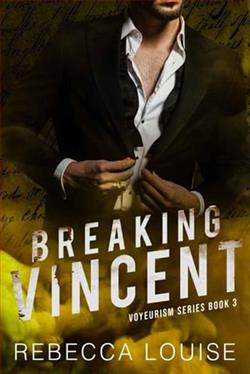
Breaking Vincent by Rebecca Louise is a gripping novel that explores the depths of psychological intrigue and the complexities of an obsessive love. Set against a backdrop of mysterious circumstances, the story unfolds in the small, claustrophobic town of St. Vincent, where the past and present collide with intense emotional ramifications.
The narrative follows the journey of Olivia West, a young woman whose return to her hometown dredges up long-buried secrets and initiates a disturbing reconnection with Vincent Marelli, her enigmatic former lover who has since become a reclusive artist. With each chapter, the author masterfully peels back layers of their shared past, revealing a labyrinthine plot of love, betrayal, and redemption.
Rebecca Louise's writing style is notably lush and evocative. She skillfully uses the setting of St. Vincent not just as a backdrop but as a character in its own right, imbuing the story with a sense of foreboding and claustrophobia that mirrors Olivia's inner turmoil. The haunting atmosphere of the town, with its fog-laden streets and the omnipresent, watchful gaze of its inhabitants, serves to amplify the intensity of the plot.
The character development in Breaking Vincent is particularly noteworthy. Olivia, portrayed with a complex mixture of fragility and strength, embarks on a psychological journey that is as unsettling as it is compelling. Her interactions with Vincent are charged with a palpable tension, their twisted dynamics playing out like a chess match, where each seems to perpetually maneuver for psychological advantage. Vincent, on the other hand, is a figure shrouded in ambiguity. His motivations and true feelings remain elusive, which keeps the reader guessing and adds a delicious layer of suspense to the narrative.
One of the most impressive aspects of Louise’s novel is her ability to maintain a tight pace while delving deep into character psychology. The dialogue is sharp, often laced with underlying meanings and a quiet intensity that builds a relentless undercurrent of suspense. The alternating perspectives between Olivia and Vincent add a rich complexity, allowing the reader a glimpse into the intricate, often dark workings of their minds.
Themes of power, control, and survival weave through the pages, raising poignant questions about the nature of relationships and the scars they can leave. The story is not merely about rekindling an old flame or uncovering the hidden facets of a small town; it is also a profound exploration of how deeply one can be broken and what it takes to rebuild oneself from the remnants of despair.
However, Breaking Vincent does not come without its flaws. At times, the plot seems to rely slightly too heavily on coincidences, and some may find the ending a bit abrupt. Yet, these are minor qualms in what is otherwise a masterfully told story. The psychological depth, combined with the nuanced exploration of themes and the relentless buildup of suspense, more than compensates for any predictability in plot mechanics.
The climax of the book is both shocking and satisfying, with a resolution that feels earned and true to the characters’ journeys. It leaves the reader pondering long after turning the final page, a testament to the story’s emotional depth and resonance.
In sum, Breaking Vincent by Rebecca Louise is a compelling psychological thriller that offers readers a deep dive into the complexities of a tormented relationship set against the eerie backdrop of a small town riddled with secrets. It is a novel that combines beautiful prose with a keen insight into human emotions, making it a standout in its genre. For lovers of psychological thrillers with a touch of romantic turmoil, this book promises to be a hauntingly memorable read.
Ultimately, Breaking Vincent is not just a book about the characters within its pages but a mirror reflecting the darker corners of the human psyche, challenging perceptions while captivating the mind. It is a reminder of the thin lines between love and obsession, redemption and revenge, making it a must-read for those who crave depth and complexity in their literary choices.



