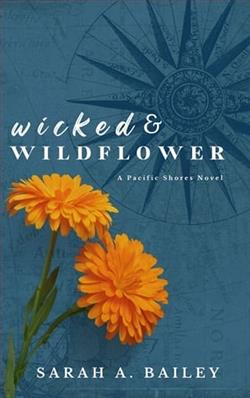
In the realm of romantic fiction, it is a rare and delightful occurrence when a book not only meets but exceeds the expectations set by its genre. Sarah A. Bailey’s “Wicked & Wildflower” does just that, weaving a tale that is as enthralling as it is emotionally resonant. Set against a backdrop of Victorian-era sensibilities interspersed with elements of magic and folklore, Bailey’s novel is a refreshing addition to historical romance and fantasy.
The novel's protagonist, Eliza Wildflower, is a captivating character. From the outset, Bailey expertly crafts Eliza’s depth and complexity—she's not merely a damsel in distress but a spirited woman with a strong wilful presence. What makes her particularly endearing is her formidable botanical knowledge, which is not just a quaint characteristic but central to the plot. Her expertise in plants isn’t merely scientific but intertwines with the mythical, as she harbors a unique ability to wield these natural elements in magical ways. This blend of science and magic in Eliza’s character artfully bridges the historical and fantastical elements of the narrative.
Enter the enigmatic Lord Jonathan Wicked. With a name that sounds straight out of a gothic novel, Jonathan presents a blend of mystery, charm, and a troubled past, making him the quintessential Byronic hero. His initial interactions with Eliza are charged with a delightful tension that Bailey manages to sustain and evolve throughout the course of the narrative. The development of their relationship is one of the strengths of the book, progressing from mutual distrust and concealed fascination to a deep, complex understanding and respect for each other’s secrets and vulnerabilities.
The plot of "Wicked & Wildflower" is engaging, driven by a well-paced mix of romance, mystery, and fantasy elements. The story unfolds with Eliza and Jonathan reluctantly joining forces to uncover a mystical artifact, which is rumored to have belonged to Jonathan’s family before it was lost in murky circumstances. As the pair delves deeper, not only do they encounter a host of intriguing secondary characters, but they also navigate a labyrinth of societal expectations and familial duties, all of which add layers to the narrative.
Sarah A. Bailey’s writing shines particularly in her descriptions of the settings and the magical phenomena. Her vivid portrayal of the lush, almost untamed gardens of Wildflower estate, contrasted with the stark opulence of Victorian London, creates a visually rich canvas for the reader. Moreover, the integration of botanical magic within these settings does not feel forced; rather, it seamlessly complements the plot and the characters’ development.
One of the most compelling aspects of "Wicked & Wildflower" is how Bailey handles themes of empowerment and conformity. Through Eliza, the novel explores the confines and expectations placed on women during the Victorian era and juxtaposes them with her uncanny strength and independence. Eliza's struggle against societal norms and her journey toward self-empowerment are nuanced and thoughtfully depicted without overshadowing the romantic elements of the story.
Additionally, Bailey’s use of language and dialogue is worth mentioning. She skillfully captures the historical context and the characters’ distinct voices without making the prose feel archaic or turgid. The dialogue, laced with wit and occasional sarcasm, adds a lively, engaging quality to the interactions, particularly in the verbal sparring between Eliza and Jonathan.
However, where there are highs, some lows accompany. At certain points, particularly in the middle sections of the book, the pacing suffers slightly due to over-exposition. The meticulous attention to botanical details, while usually a positive point, occasionally bogs down the narrative. Yet, these moments are few and far between and do not significantly detract from the overall enjoyment of the novel.
"Wicked & Wildflower" concludes satisfyingly, tying up the complex web of romance, mystery, and adventure with finesse. The resolution of the plot is both logical and satisfying, with enough twists to keep the reader guessing but not so many as to feel contrived.
In conclusion, Sarah A. Bailey’s "Wicked & Wildflower" is a triumph in historical romance fantasy. It achieves a delicate balance between being true to its genre and daring to venture into new thematic and narrative territories. For those who seek substance in romance, depth in characters, and richness in their fantasy, "Wicked & Wildflower" offers a delightful journey. It is a novel that promises enchantment and delivers profoundly, making it a highly recommendable read for enthusiasts of both romance and fantasy genres.