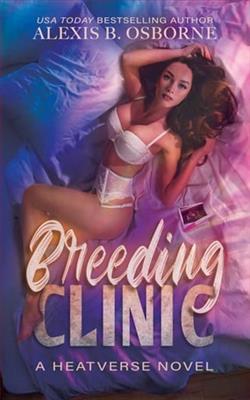
Breeding Clinic, written by Alexis B. Osborne, delves into an ethically complex and chillingly feasible futuristic premise where genetics and reproduction are at the heart of societal and personal struggles. This dystopian narrative captures the essence of a society obsessed with perfection, exploring the profound impacts on identity, freedom, and morality.
The story is set in a near-future scenario where the government, in an attempt to combat declining birth rates and genetic diseases, has instituted breeding clinics. These clinics are designed not only to assist in reproduction but also to control it. Prospective parents don’t just get help in conceiving; their genetic materials are combined and altered to produce what the society deems as 'superior' offspring, essentially engineering human beings. The novel’s protagonist, Dr. Jenna Marston, a talented geneticist, finds herself at the epicenter of this moral and ethical storm as she begins to question the ramifications of her work.
Osborne’s writing style is meticulous and evocative, managing to weave complex scientific details with deep emotional responses. Readers are given a front-row seat into Jenna's internal conflict which mirrors the outer chaos unraveling in the breeding clinics. The character development is another forte of Osborne’s narrative craft. Jenna, as the focal point, undergoes tremendous personal growth. From a passionate supporter of genetic enhancement, her journey of transformation is compelling and thought-provoking. Osborne skilfully crafts her path to skepticism and dissent, which aligns perfectly with the broader thematic questions the novel raises.
Supporting characters too, such as Jenna’s colleague, Dr. Lucas Grant, and her sister, Mia, are equally well-developed. Each character serves a distinct purpose, driving the narrative forward and deepening the novel’s exploration of ethical dilemmas. Lucas, who serves as both a friend and a counterpoint to Jenna’s growing doubts, opens up avenues for dialogue about science, ethics, and humanity. Mia, affected personally by the implications of the breeding program, brings a heartfelt perspective to the storyline, emphasizing the wide-reaching impact of such a societal structure.
Osborne excels not only in character portrayal but in setting up a palpably dystopian environment. The clinics, depicted almost like sterile temples of modernity, contrast dramatically with the emotional, messy realities of human life they intend to streamline. This eerie setting serves as a potent symbol of the novel’s central conflict between natural human imperfection and artificially imposed ideals of perfection.
The thematic depth of Breeding Clinic is its greatest strength. Through its narrative, the novel poses piercing questions about the nature of control—a control over bodily autonomy, genetic destinies, and ultimately, human futures. Is perfection worth the cost of individuality and freedom? What is lost when humans strive to eliminate all imperfection? These questions are the gears that drive the novel’s engaging and philosophically rich plot.
However, the book is not without its flaws. At times, the scientific exposition can feel heavy, potentially bogging down readers not deeply familiar with genetic engineering. However, these sections are essential for understanding the full implications of the breeding clinics and do ultimately contribute to the richness of the narrative.
Additionally, Osborne ventures into speculative territory that might stretch believability at points, particularly concerning the government's omnipotent control. Some readers might find this portrayal slightly exaggerated, but it serves the purpose of highlighting potential real-world issues in extreme scenarios. This speculative aspect underscores not a prediction but a caution, amplifying the need for ethical considerations in genetic sciences.
Osborne's Breeding Clinic is a formidable addition to the canon of speculative fiction. It challenges readers to contemplate and question the moral dimensions of upcoming scientific frontiers. For fans of dystopian narratives, ethical conundrums, and character-driven stories, this novel is a compelling read that blends scientific intrigue with human drama. It is a reminder of the perils that lurk when humanity’s quest for perfection overrides its essence, spurring a profound reflection on our present and future societal choices.



