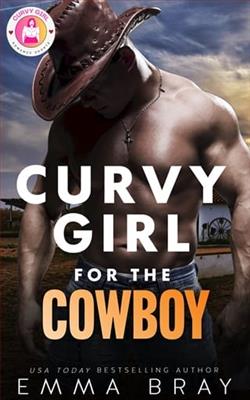
In "Curvy Girl for the Cowboy," Emma Bray dives into the intricacies of self-acceptance and romance set amidst the sweeping landscapes of rural Montana. This novel, with its combination of emotional depth and evocative scenery, not only entertains but also addresses poignant themes relevant to contemporary readers, such as body positivity and inclusivity.
The story introduces us to Samantha Monroe, a vivacious and full-figured woman who has battled with self-esteem issues due to societal standards and personal insecurities. Samantha's character is richly drawn, with Bray adeptly capturing the myriad emotions that come from feeling like an outsider. Samantha’s journey begins after inheriting a small piece of property in Montana, a pivotal event that leads her from the bustling city environment to the quiet, introspective beauty of the countryside.
Here enters Jackson Wild, the quintessential cowboy – rugged, charming, and imbued with the quiet strength characteristic of Bray’s male protagonists. Jackson's family has ranched for generations, and his connection to the land and his horses is almost tangible. However, despite his external confidence, Jackson harbors vulnerabilities that stem from a past relationship and the pressures of preserving his family legacy.
The narration alternates between Samantha’s and Jackson's perspectives, providing a balanced view of their evolving emotions as they navigate the uncertainties of attraction and the risks of opening up. Bray's writing shines when detailing their internal monologues, offering heartfelt insights into the fears and hopes that shape their interactions. The dialogue between Samantha and Jackson crackles with intensity and authenticity, making their romantic development both believable and deeply engaging.
One of the strengths of the novel is Bray’s unwavering commitment to authenticity in portraying body positivity. Samantha's struggles with body image are presented with honesty and sensitivity, highlighting the harsh realities many face in a world that often glorifies a single body type. The respectful manner in which Jackson admires Samantha, not in spite of her curves but because of them, serves as a powerful statement against superficial judgments.
The setting of the book is another character in itself, with Bray's descriptions of Montana's sprawling fields and star-lit skies painting a vivid backdrop for the story’s emotional landscape. The setting complements the narrative, symbolizing both the isolation and the potential for renewal that Samantha feels in her new environment. The ranch, with its daily demands and rugged beauty, becomes a crucible where Samantha and Jackson both confront their pasts and contemplate their future.
However, while Bray excels in character development and setting, the plot sometimes treads a predictable path, adhering closely to the typical beats of the romance genre. While this isn’t necessarily a detractor for fans of romance novels, readers seeking a more unconventional narrative arc might find certain developments expected. Moreover, the resolution of conflicts, particularly regarding external antagonistic pressures on their relationship, feels somewhat rushed, leaving a desire for more nuanced explorations of the challenges they face.
Supporting characters in the novel add richness and humor, from Jackson’s stoically witty mother to Samantha’s fiercely protective best friend from the city. These characters provide not only levity but also moments of insight, pushing the main characters toward growth and acceptance. Bray integrates these interactions seamlessly, weaving a community that feels both real and supportive.
"Curvy Girl for the Cowboy" is ultimately a celebration of finding love and acceptance in unexpected places. It reminds us of the value of seeing beyond the surface, encouraging a deeper recognition of individual worth and the beauty in diversity. Bray does not merely create a love story; she advocates for a broader acceptance, both of self and others.
In terms of literary style, Bray maintains a relaxed pace, fitting for the expansive rural setting and the slow-building romance. Her style is accessible, focusing on emotional depth rather than complex syntax or dense metaphorical content, which suits the narrative well. However, some passages intended to delve into characters' thoughts can occasionally feel repetitive or overly introspective, slowing the momentum of the plot.
In conclusion, Emma Bray's "Curvy Girl for the Cowboy" is a heartfelt addition to the romance genre that will appeal to readers looking for a story that combines emotional growth, scenic beauty, and a thoughtful message. While navigating familiar territory, it stands out through its commitment to highlighting issues of body image and self-worth, packaged within a sweet, compelling romance. This novel proves to be a comforting read, ideal for those who enjoy their romance served with both warmth and a touch of realism.