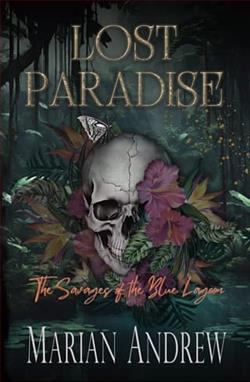
Lost Paradise by Marian Andrew is a compelling narrative that explores the depths of personal redemption and the complex relationships that define our lives. The novel weaves a poignant tale set against the backdrop of a picturesque yet troubled island, presenting a rich tapestry of characters each grappling with their own demons and desires. Andrew’s storytelling is masterful, blending melancholic themes with moments of profound clarity and beauty.
The story revolves around two main characters, Eliza and Milo, each escaping to the island for different reasons. Eliza, reeling from a devastating breakup, seeks solace and a new beginning, while Milo, a once-celebrated writer, chases the ghost of his past successes and a chance to reclaim his reputation. Their paths cross under the lush canopy of the island's rainforest, setting the stage for a narrative that skillfully delves into the human psyche.
Andrew's prose is evocative and rich, capturing the lush landscapes of the island with vivid descriptions that transport the reader right into the heart of the setting. The island, almost a character in its own right, acts both as a sanctuary and a mirror, reflecting the innermost fears and desires of its inhabitants. The author’s descriptions are poetic, and at times, ethereal, making Lost Paradise not just a novel but a sensory experience.
The character development in Lost Paradise is one of its strongest points. Eliza’s transformation is delicately portrayed, with Andrew allowing us deep access to her internal battles and emotional growth. Through her interactions with the island’s other residents, Eliza learns about forgiveness, resilience, and ultimately, self-acceptance. Milo, on the other hand, presents a complex study in contrasts—his ambition and vulnerabilities carefully balanced to portray a character who is at once sympathetic and frustratingly flawed.
Andrew also introduces a cadre of supporting characters, each adding depth and complexity to the story. We meet Nora, the matriarch of the island who holds deep secrets that have the power to shatter lives; Tom, a young local striving to escape the societal expectations placed upon him; and Grace, a long-time visitor who sees the island as a refuge from the outside world. These characters intertwine in ways that are sometimes surprising, always engaging, and enrich the narrative with themes of community, belonging, and loss.
One of the more intriguing aspects of Lost Paradise is its subtle yet insightful commentary on the nature of paradise itself. Andrew challenges the idyllic notions associated with such places, proposing that paradise is not a location but a state of mind that often comes with its own set of struggles and contradictions. This theme is woven throughout the novel, pushing the reader to question the very idea of sanctuary and redemption.
The pacing of the book is measured, mirroring the languid, sometimes oppressive atmosphere of the island. While some readers might find the pace slow, it is essential for the intricate layering of the story’s themes and character development. Every chapter serves a purpose, building towards a climax that is both heartrending and cathartic. The resolution of the novel is satisfying, though not without its share of heartache, encapsulating the bittersweet reality of the characters' journey.
In terms of critique, while the detailed prose is generally one of Andrew’s strengths, there are moments where the descriptions might feel overly indulgent, potentially detracting from the narrative flow. However, these instances are few and do not significantly mar the overall experience of the book.
In conclusion, Marian Andrew’s Lost Paradise is a beautifully written exploration of human emotions, relationships, and the quest for personal peace. It skillfully balances themes of loss and love against a vividly depicted backdrop, making it a memorable read. The novel will appeal to readers who enjoy thoughtful, character-driven stories that prompt reflection on deeper philosophical questions. Lost Paradise invites us all to find our definition of paradise, not on a map, but within ourselves.



