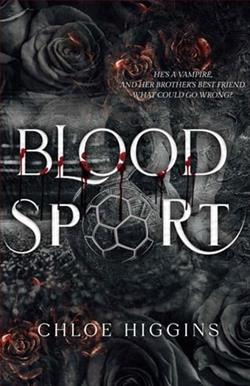
In "Blood Sport," Chloe Higgins weaves a tense, gripping narrative that takes readers on a deep dive into the complex realms of family drama and the dark undercurrents of human psychology. The novel captures the reader's attention from the very start with its rich, well-sculpted characters and a plot that’s both invigorating and thought-provoking.
The story revolves around the seemingly perfect lives of the Harper family, who are thrust into chaos when the youngest daughter, Emma, disappears. As the narrative unfolds, it becomes clear that each family member harbors secrets that are both dark and destructive. Higgins skillfully uses a multi-perspective storytelling technique to delve into each character’s inner conflicts and motivations, revealing their deepest fears and desires.
The characters in "Blood Sport" are brilliantly crafted, with each of them displaying a unique blend of vulnerabilities and strengths that make them stand out. The matriarch of the family, Julia Harper, is particularly compelling. Her fierce love for her children and her determination to maintain a facade of normalcy amidst spiraling chaos is both admirable and heartrending. Through Julia, Higgins explores themes of maternal love, sacrifice, and the pain of letting go.
One of the standout features of “Blood Sport” is Higgins' masterful use of language. Her prose is sharp and evocative, painting vivid images that linger in the mind long after the page is turned. Memorable lines such as, "Grief was, after all, a beast that ate everything soft and left only the skeleton of memory behind," showcase her ability to encapsulate complex emotions in a single sentence.
The plot of "Blood Sport" is another area where Higgins demonstrates her prowess. The mystery of Emma's disappearance is handled with a deft touch, balancing suspense and emotional depth. The twists and turns are unexpected but never feel contrived, keeping the reader guessing until the very last page. Higgins respects her audience’s intelligence and crafts a story that is both challenging and deeply satisfying.
However, "Blood Sport" is not just a mystery. It is also an incisive critique of societal expectations and the pressure they place on individuals to conform. Through the Harpers’ experiences, Higgins questions the sustainability of an existence built on suppressing true desires and living a lie. This thematic depth adds another layer to the novel, making it not just entertaining but also a profound commentary on modern life.
The setting of the novel, a tranquil suburban neighborhood that harbors dark secrets, is almost a character in itself. Higgins’ description of the setting is meticulous and atmospheric, contributing significantly to the mood of the novel. The contrast between the neighborhood’s outward tranquility and the tumultuous lives of its inhabitants serves as a powerful metaphor for the duality of human nature.
Despite its many strengths, "Blood Sport" does occasionally suffer from the weight of its own ambitions. At times, the pacing slows down, particularly in the middle sections where the introspective musings of the characters can overshadow the movement of the plot. Furthermore, some readers might find the resolution a bit too tidy, given the novel’s otherwise realistic portrayal of the messiness of human emotions and relationships.
In conclusion, Chloe Higgins' "Blood Sport" is a compelling and beautifully written novel that offers a deep dive into the complexities of human emotions and interactions within a family grappling with crisis. Its engaging plot, complex characters, and profound themes make it a recommended read for anyone interested in psychological dramas and mysteries. Higgins not only tells an exciting story but also challenges the reader to contemplate bigger societal issues, making "Blood Sport" a significant and intelligent work.



