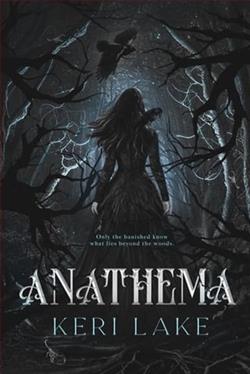
Anathema, authored by Keri Lake, plunges into the depths of dark romance and gritty suspense, ensnaring the reader in a tapestry of psychological complexity and raw emotional turmoil. This novel not only breaks the generic boundaries of its genre but also etches memorable characters into the reader's psyche, long after the last page has been turned. As we untangle the grim narrative woven by Lake, we find ourselves captivated by a story that is as harrowing as it is magnetic.
The narrative of Anathema centers around Eden, a woman whose life is marred by tragedy and betrayal. Her existence spirals into chaos when she becomes entangled with a man whose very presence threatens to unleash her darkest fears. The male protagonist, Damian, is an intricate figure, sculpted with nuances that defy the typical alpha stereotypes prevalent in dark romances. Damian is both enigmatic and dangerous, a combination that creates a scorching, albeit unsettling, chemistry between him and Eden.
Keri Lake’s writing is profoundly descriptive and atmospherically potent. Each scene is meticulously crafted, with environments that palpitate with tension and dialogue that pierces like a knife. The aesthetic of the novel is unapologetically dark, painted with a palette of gloom and desolation that perfectly complements the story’s underlying themes of vengeance and redemption. The mood is consistently immersive, pulling the reader into a world where each shadow could conceal a threat and every light might reveal a salvation.
The psychological depth of Anathema is one of its most compelling attributes. Lake explores the psyche of her characters with a brutal honesty that is both disturbing and intriguing. Eden’s evolution through the story is particularly notable. She is depicted not just as a victim but as a survivor who claws her way through her fears and learns to wield her past as a weapon. Her interactions with Damian reveal layers of her character that are both vulnerable and resilient, making her an unforgettable protagonist.
On the other hand, Damian, as much a catalyst for conflict as a vessel for change, embodies the dualities of human nature. His motivations are cloaked in ambiguity, driving a narrative tension that keeps the pages turning. The complexity of his character challenges the reader's capacity for empathy and judgment, threading a delicate balance between aversion and attraction. This intricate portrayal enriches the narrative, offering a multifaceted look at themes of morality, trauma, and the possibility of redemption amidst darkness.
The plot of Anathema is carefully structured, with twists that are both unexpected and inevitable, a sign of Lake’s skill in plot craftsmanship. The pacing is relentless, each chapter propelling the story forward without sacrificing the emotional growth of the characters. Critical moments of action are balanced with introspective pauses, giving the reader time to ponder the ethical and emotional ramifications of the characters’ decisions.
While Anathema excels in character development and atmosphere, its intense themes and explicit content may not appeal to everyone. The novel delves deep into subjects like abuse, manipulation, and the darker sides of human desire. Lake does not shy away from depicting the brutal realities that her characters face, which though compelling, can also be unsettling. This fearless portrayal, however, is what sets the novel apart in a genre often plagued by clichés and predictability.
In conclusion, Keri Lake's Anathema is a formidable entry in the world of dark romance. It challenges its readers with a plot that is as intellectually engaging as it is emotionally taxing. The characters are carved with depth and realism, thriving in a world sketched with enough detail to make the unreal feel palpable. For those who seek a narrative that goes beyond surface-level allure and plunges into the abyss of the human condition, Anathema presents a compelling, if stark, tableau. It is a testament to Lake’s ability to not only tell a story but evoke the full spectrum of human emotion—making it a noteworthy read for enthusiasts of the genre searching for substance and style cohesively interwoven.



