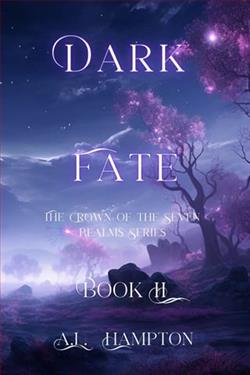
Dark Fate by A.L. Hampton is a compelling foray into the domain of science fiction, infused with elements of mystery and psychological drama that encapsulates the essence of speculative storytelling. This novel, poised on the precarious edge between the known and the unimaginable, plunges readers into an intricately woven narrative that challenges perceptions and stirs the depths of our collective angst about the future.
The story unfolds in a dystopian future, where humanity is grappling with the repercussions of technological overreach and ecological collapse. At the center of this tumultuous landscape is our protagonist, Dr. Elara Myles, a brilliant scientist with a tormented past, who becomes embroiled in a dangerous quest that questions the very fabric of reality. Hampton's characterization of Elara is deftly executed; she is rendered with both sharp intelligence and a palpable vulnerability, making her an engaging and relatable figure through whose eyes the story's complex themes are explored.
The plot of Dark Fate is both dense and engaging, weaving together multiple narrative threads that explore the ethical dimensions of artificial intelligence, genetic engineering, and the potential perils of virtual reality. As these elements converge, the novel does an excellent job of maintaining suspense and developing intrigue, culminating in a series of revelations that are as shocking as they are thought-provoking.
One of the novel's standout features is its world-building. A.L. Hampton crafts a vivid and hauntingly plausible vision of the future. The descriptions of desolate urban wastelands, juxtaposed with the eerily pristine environments of high-tech laboratories and virtual worlds, serve as a stark canvas to the story's rich emotional and philosophical palette. The attention to detail in the depiction of these environments not only anchors the narrative's speculative elements in a tangible reality but also enhances the overall immersive experience of the novel.
The thematic depth of Dark Fate is perhaps its most compelling aspect. Hampton delves deeply into the existential dilemmas faced by humanity in the age of advanced technology. Through the struggles and conflicts of Elara and other key characters, the novel explores profound questions about the nature of identity, the concept of free will, and the potential for technology to both redeem and destroy. This philosophical inquiry is threaded seamlessly throughout the action-driven plot, adding a rich layer of meaning to the story's unfolding events.
However, while the complex plot and ambitious themes are generally well-handled, there are moments where the narrative's pace suffers as a result. The middle section of the book, dense with technical descriptions and philosophical musings, might feel sluggish to some readers. Nonetheless, this does little to detract from the overall impact of the story, and the careful reader will appreciate the depth and intricacy of Hampton's vision.
The prose of Hampton is another element worth noting. It is both crisp and lyrical, capable of conveying complex scientific ideas with clarity and poetic elegance. The dialogue is sharp, often laced with a subtle irony that adds an additional layer of enjoyment to the reading experience. This stylistic mastery ensures that the novel's heavy thematic content never feels overwhelming or opaque.
In conclusion, Dark Fate by A.L. Hampton is a richly textured, intellectually stimulating novel that offers both a gripping narrative and a thoughtful examination of future ethical landscapes. It will particularly appeal to readers who enjoy science fiction that not only entertains but also challenges and expands perspectives. With its complex characters, immersive world-building, and poignant philosophical questions, Dark Fate stands as a testament to Hampton's prowess as a storyteller and thinker. This book is a substantial contribution to the genre, and a powerful reminder of how science fiction can illuminate the most pressing issues of our time with both nuance and urgency.



