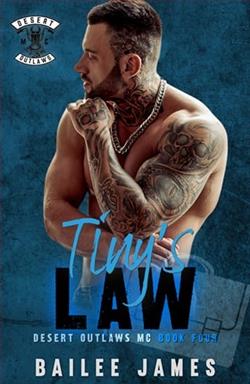
In "Tiny's Law" by Bailee James, readers are treated to an engrossing blend of courtroom drama and human emotion that spins a tale as compelling as it is touching. This novel, which marks James's third foray into legal fiction, showcases her growing adeptness at weaving intricate narratives served with a deep understanding of the human psyche and the complexities of legal battles.
The titular "Tiny" refers to Christine Allen, a sharp but unassuming attorney in a small town who earns her nickname not just from her petite stature but her ability to shrink big problems into manageable solutions. However, the central case of the book—a wrongful death lawsuit involving a local factory's negligent safety standards—threatens to overshadow even her considerable talents. Through Christine, James explores themes of justice, community impact, and personal redemption that are poignant and resonant.
James's writing in "Tiny's Law" is crisp and evocative, capturing the essence of small-town life with rich, detailed settings and a host of complex characters. Each character Christine interacts with—from the grieving widow who brings the lawsuit to the grizzled factory worker torn between company loyalty and the truth—feels fully realized, adding depth and layers to the unfolding legal drama. Christine herself is portrayed with an engaging blend of tenacity and vulnerability, making her one of James’s most relatable protagonists yet.
One of the standout qualities of the book is its accuracy in depicting legal proceedings. James manages to unravel legal jargon and procedures in a way that is not only accessible but also engaging, ensuring that readers are not just passive observers but active participants in unravelling the case alongside Christine. This attention to detail extends to the presentation of the lawsuit's stakes—not just in terms of the potential compensation, but also the emotional and moral repercussions for all involved.
Stylistically, "Tiny's Law" showcases James's knack for vivid descriptions and tight plotting. Each chapter methodically advances the narrative while deepening readers' investment in the characters' lives. The dialogues, sharp and realistically crafted, serve as effective conduits for the story’s emotional and moral quandaries, presenting a melodious blend of everyday speech and legal vernacular that sings with authenticity.
However, the novel does not shy away from the harsher realities of legal work. The emotional toll of the case on Christine and her clients is portrayed with brutal honesty, presenting a side of law often glossed over in more romanticized versions of courtroom dramas. This not only adds layers to the narrative but also raises questions about the human cost of justice—themes that resonate deeply in our current socio-legal climate.
The pacing of "Tiny's Law" is another high point, with James demonstrating a keen sense of when to delve into backstories and when to propel the action forward. The balance between suspense in court proceedings and the slower, introspective moments outside the courtroom is well managed, keeping the reader hooked without overwhelming them with too much intensity at once.
Where "Tiny's Law" could perhaps have improved is in its final chapters, where the resolution feels slightly rushed. While the climax is satisfying and well-earned, the denouement packs a lot into a short space, and some threads seem tied up too neatly. Despite this, the conclusion is emotionally resonant, leaving readers with a sense of closure and contemplation.
Moreover, Bailee James invokes a powerful message with "Tiny's Law"—one of resilience, the power of community, and the enduring search for justice. These messages, coupled with the authentic setting and compelling characters, make this book a stand-out in the realm of legal drama.
Overall, "Tiny's Law" is a highly recommended read for those who appreciate law-themed narratives infused with emotional depth and moral queries. Bailee James has not only crafted a compelling tale but has also etched a realistic portrayal of small-town dynamics faced with a big-league crisis, making this book a meaningful addition to the genre.
In conclusion, "Tiny's Law" is a nuanced, engaging, and thought-provoking novel that grips readers not just with its legal intrigue but with its heartfelt examination of justice and how it impacts the fabric of human lives. It’s a testament to Bailee James’s growing prowess as a storyteller as well as her keen insight into the law and its broader implications.



