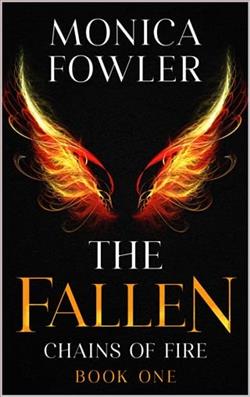
The Fallen by Monica Fowler is an intriguing exploration into the complexities of human nature, redemption, and the elusive interplay between fate and choice. This novel, laced with supernatural elements and rich, layered storytelling, probes into the lives of seemingly unconnected characters who are bound by a thread of predestined events, each grappling with their own demons and pasts.
The narrative of The Fallen unfolds in a small, sleepy town veiled with an air of mystery and latent darkness. Here, Fowler introduces us to an array of characters: Sarah, a young woman trying to escape her troubled history; old Thomas, a man haunted by his errors and striving for redemption; and Lydia, a child with an unsettling awareness far beyond her years. Through these vividly drawn characters and a few more that equally capture the reader's attention, Fowler constructs a web of stories that at first seem isolated but are soon revealed to be intricately connected.
Monica Fowler's prose is detailed and evocative, managing to paint haunting images in the reader's mind. The setting of the town itself almost acts as a character—ominous, with an ever-present fog that seems to mirror the confusion and fear within the characters' minds. The atmospheric detailing pulls you in, crafting scenes that oscillate between eerily calm and stormy, in a symphony of suspense and drama.
The supernatural element in The Fallen is subtly intertwined with the narrative. Fowler doesn't allow it to overpower the core human emotions and experiences she explores. Instead, the supernatural serves as a catalyst for self-discovery and redemption. Each character in the novel is fallen in one way or another, dealing with their personal failures and regrets. The author excels in showing how these flawed individuals confront their shadows, some achieving redemption and others tragically succumbing to their darkness.
However, while the plot is compelling and the characters well-developed, the pace of the story sometimes feels uneven. Certain sections of the book are gripping and fast-moving, while others linger on introspective thoughts a tad too long, which might lead some readers to feel detached from the momentum of the main plot. Nevertheless, these moments of introspection are beautifully written and crucial for the philosophical undertones that define the book.
A significant strength of The Fallen lies in its dialogues and interactions. Fowler has a gift for realistic dialogue that serves not only to advance the plot but also to deepen the reader's understanding of each character. The conversations between Sarah and Thomas, in particular, are loaded with tension and subtext, revealing their complex inner worlds and the evolution of their thoughts and morality.
The theme of fate versus free will runs prominently throughout the novel. Fowler prompts readers to ponder whether the characters are merely puppets of their destiny or if they have the power to forge their own paths despite the sins of their pasts. This philosophical question is woven seamlessly into the storyline, presenting a balanced narrative without providing easy answers, which encourages reflection long after the last page is turned.
In conclusion, The Fallen by Monica Fowler is a compelling blend of suspense, philosophy, and supernatural mystery. Despite a few pacing issues, it succeeds as a thought-provoking and atmospheric novel that delves deep into the themes of redemption, fate, and the human condition. Fowler’s ability to create fleshed-out characters and a hauntingly immersive setting makes this book a memorable read for those who enjoy stories that make them think and feel deeply. It stands as a testament to the power of second chances and the indomitable human spirit’s capacity to rise from the ashes of its mistakes.



