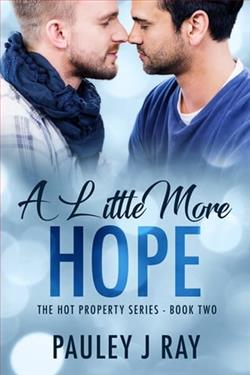
A Little More Hope by Pauley J. Ray is a novel that captivates the reader with its intricate portrayal of family dynamics, mental health struggles, and the unwavering power of hope. On the surface, the storyline dovetails through the life of Hope, a young girl facing immense personal challenges, surrounded by a family that is both deeply flawed and profoundly loving. Through Ray's adept storytelling, the reader is drawn into a deeply emotional journey that not only explores the complexities of human relationships but also paints a poignant picture of resilience and recovery.
From the outset, Ray masterfully introduces Hope as a character who is immediately relatable and endearing. Her struggles, while uniquely her own, resonate on a universal level as they mirror the trials many face in silence. The author's ability to weave significant social issues such as mental health, substance abuse, and the seeking of redemption into the fabric of the narrative is both commendable and impactful. The narrative is not just about the challenges but also about the small victories that come with acknowledging and confronting personal demons.
The setting of the novel, a small town with its close-knit community, plays a crucial role in shaping the story. It’s in this setting that the juxtaposition of support and societal judgment come to the fore. Ray uses the town not just as a backdrop but as a living, breathing entity that contributes to the protagonist’s development and the unfolding of the plot. This technique allows readers to see how external environments interact dynamically with individual growth.
Ray’s writing style is fluid and engaging, capturing the essence of each character’s voice distinctly. Through dialogues and monologues, the internal worlds of the characters are vividly portrayed, making it easy for the reader to empathize with their conditions and root for their successes. The language used is accessible, yet rich with emotion and depth, ensuring that the narrative is both easy to follow and deeply moving.
The thematic depth of A Little More Hope is one of its strongest points. Ray does not shy away from delving into the painful aspects of life, yet a thread of hope runs through the narrative, urging both its characters and readers to look beyond the immediate to what might be possible. This theme of hope is not just a passive undercurrent but an active, driving force within the plot, influencing decisions and propelling the story forward.
Character development is another area where Ray excels. Each character is meticulously crafted with a backstory that adds layers to their personality. Hope, in particular, is portrayed with such depth and intricacy that one cannot help but feel invested in her journey. The secondary characters are also well-developed, each adding a new dimension to the storyline and reflecting the diverse ways individuals cope with adversity.
The pacing of the book is thoughtfully set, with a balance between fast-paced scenes and moments of introspection, allowing the reader to digest the complexities of the issues being tackled. Ray’s skill in pacing keeps the reader engaged from start to finish, eager to uncover the next twist or revelatory moment. This balance maintains the momentum of the story, ensuring it captivates and keeps pages turning.
One of the book’s minor critiques could be its predictability in certain plot twists, which seasoned readers of family dramas might see coming. However, this predictability does not detract significantly from the enjoyment of the story; rather, it emphasizes the universal nature of the themes discussed. Moreover, the emotional payoff in the resolution is satisfying, offering a cathartic release after a deeply engaging build-up.
In conclusion, A Little More Hope by Pauley J. Ray is a beautifully crafted novel that not only entertains but also invites readers to reflect on deeper issues. With its robust characters, powerful themes of resilience and redemption, and a well-maintained narrative flow, the book is a compelling read. It is a testament to the strength of the human spirit and the enduring power of hope. Readers who appreciate stories that blend emotional depth with realistic portrayals of life’s challenges will find this book to be a rewarding read.



