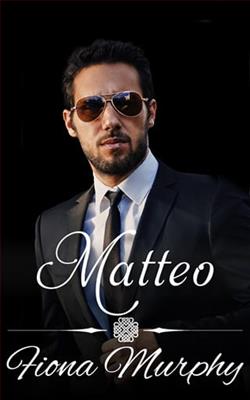
Matteo by Fiona Murphy is an engaging entry into the world of contemporary romance, bringing together the elements of emotional depth, vibrant character development, and sensual storytelling that fans of the genre will undoubtedly appreciate. This book is part of Murphy’s larger body of work, which typically explores complex relationships, often featuring characters with rich backstories and significant personal challenges. Matteo continues this trend, focusing on its titular character, Matteo Rossi, and his journey towards love, underscored by the intriguing and sometimes difficult circumstances that shape him.
Matteo Rossi is a character who immediately captures the reader's interest. As a powerful man accustomed to getting what he wants, his personality is initially marked by an intense, almost brooding aura. However, as Murphy peels back the layers, Matteo is shown to be much more than the typical alpha male archetype. Struggles from his past, combined with a strong sense of family loyalty, make him a deeply nuanced character. There's a palpable transformation in his persona that is driven by the book’s romantic lead, Evie. Unlike Matteo, Evie comes from a much different background, less opulent but rich in love and care. Her resilience and independence make her an ideal foil to Matteo, challenging him in ways that no other character does.
The romance that develops between Matteo and Evie is plotted with finesse by Murphy. It doesn’t rush to fulfill genre expectations but instead, takes its time to build a tangible connection between the characters. Their interactions are filled with a mix of tense, charged moments and softer, more vulnerable exchanges that collectively deepen their relationship in a believable manner. What makes their romance particularly compelling is how both characters face their vulnerabilities. Matteo, with his complex familial obligations and fears, and Evie, who wrestles with her need for independence against the burgeoning feelings she harbors for Matteo.
Fiona Murphy's writing style complements the emotional depth of the story. Her prose is fluid and evocative, capable of transporting readers directly into the settings and scenes she describes. Whether detailing the luxurious yet stringent life within the Rossi family or the simpler, heartfelt moments Evie treasures, Murphy’s descriptions are vivid and effective. Furthermore, her ability to convey the internal monologues of Matteo and Evie enriches the narrative, providing insight into their evolving thoughts and feelings without becoming repetitive or overly introspective.
The book also excels in its supporting character cast, each adding layers to the main storyline. From Matteo’s family members, who bring their own drama and expectations, to Evie’s circle of friends and supporters, these characters augment the plot’s richness and complexity. They act not only as foils but also as mirrors reflecting back the growth and changes in Matteo and Evie. This dynamic helps in reinforcing the book’s central theme of personal growth through relationships while maintaining a brisk and engaging plot pace.
However, Matteo is not without its flaws. Some readers might find the pacing inconsistent, particularly towards the middle of the book where the internal conflicts of the characters tend to somewhat stall the momentum of the story. Additionally, while the luxurious setting and high-stakes family dynamics provide an interesting backdrop, they can occasionally overshadow the romance element and delve into melodrama. Yet, these are minor critiques in what is otherwise a solidly written and enjoyable book.
In conclusion, Matteo by Fiona Murphy is a compelling read that offers more than just a straightforward romance. It succeeds in creating a world where personal pain and joy are interwoven into the tapestry of a larger familial and societal narrative. Murphy’s skillful character development, combined with her fluid narrative voice, ensures that readers are not just passive observers but are emotionally invested in the journey of Matteo and Evie. This book is recommended for those who love their romance novels to come with a healthy dose of emotional intelligence and a touch of the opulence that only high drama can provide.



