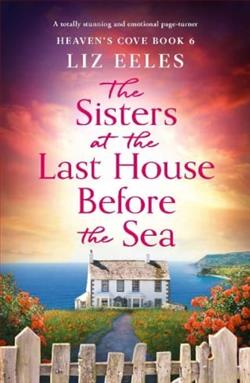
The Sisters at the Last House Before the Sea by Liz Eeles is a charming novel that skillfully intertwines themes of family, forgiveness, and self-discovery. Set against the backdrop of the picturesque Cornish coast, this book offers readers a sweet escape into a world filled with relatable characters, heartwarming relationships, and scenic beauty. As Eeles' latest addition to her Heaven's Cove series, it continues the journey with a fresh narrative that stands strong on its own, yet subtly nods to its predecessors, enriching the reader's experience.
The story revolves around the lives of two sisters, Susie and Miranda, who find themselves at a familial and emotional crossroads following the death of their mother. Susie, the more reserved and responsible of the two, has spent her years caring for their mother and maintaining the family's historic but crumbling estate, the Last House. Miranda, meanwhile, has been living a seemingly glamorous life in London as a fashion buyer but returns to Heaven’s Cove bearing the scars of personal and professional failures. The reunion, under the somber circumstances, becomes a catalyst for confronting long-buried secrets and strained relationships.
Eeles excels in creating environments that feel both dreamy and grounded. The depiction of Heaven's Cove, with its rugged cliffs, cozy village shops, and the sprawling sea, almost serves as a character itself, influencing the sisters’ journey. The setting not only amplifies the narrative's thematic elements of returning home and self-reflection but also provides a tranquil canvas on which the characters' dramas and affections unfold.
The narrative also introduces an array of secondary characters that add depth and humor to the story, such as the eccentric local artist who carries wisdom beneath his quirky exterior, and the childhood friend whose own issues reflect back at the sisters, providing them and the reader with moments of relatable challenges and heartfelt insights. These characters are not merely backdrop; they actively contribute to Susie's and Miranda's arcs, pushing them towards reconciliation and personal growth.
Character development is one of the book's strongest suits. Susie, with her tendencies to control and suppress her deeper desires, is contrasted effectively against Miranda’s apparent free-spirited nature. Yet, as the story progresses, Eeles skillfully peels back layers to reveal complexities in each sister. Miranda's outward confidence masks her insecurities and fears, while Susie’s stoicism is challenged as she confronts her pent-up dreams and disappointments. This dynamic evolution makes them compelling and empathetic, allowing the reader to invest deeply in their journey towards understanding and acceptance. There's a beautiful exploration of the sibling dynamic, where despite the years and secrets, the foundational bond endures, bent but unbroken.
Moreover, the plot beautifully walks readers through themes of loss and love, teasing out the threads of grief that bind the family. The author captures the nuances of mourning - the quiet moments of reflection, the sudden waves of sadness, and the eventual, hopeful acceptance. There’s a poignant examination of how people hold onto memories, places, and possessions as extensions of their lost loved ones, eloquently portrayed through the sisters’ struggle to decide the fate of the Last House. The narrative doesn't rush this exploration, allowing the emotional beats to resonate, which makes the final resolution all the more satisfying.
The book is not without its moments of levity—Eeles injects a wry sense of humor throughout, ensuring that the journey, while emotional, is not overly heavy. The interactions between the village’s residents and the sisters are particularly delightful, providing laughs and a sense of community that permeates the novel.
However, it’s worth noting that some readers might find the pacing a bit uneven, particularly towards the middle section where the narrative delves into the backstories that, while necessary, seem to stall the progression. Yet, patience is rewarded as these explorations do come full circle, contributing to the layered conclusions for each character.
In conclusion, The Sisters at the Last House Before the Sea by Liz Eeles is a heartfelt, beautifully penned novel that captures the complexities of sibling relationships, the pain and beauty of returning home, and the healing power of reconciliation. With its stunning coastal setting and deeply drawn characters, it’s a story that resonates on many levels, making it a delightful read for those who enjoy heartfelt family dramas ensconced in idyllic settings. Liz Eeles has once again proven her ability to weave tales that touch the heart and stir the soul.



