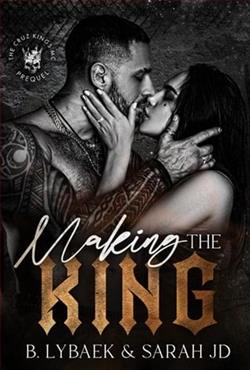
In "Making the King" by B. Lybaek, readers delve into an immersive tale of historical fiction set in the tumultuous era of Medieval Europe, spotlighting the pivotal years that shaped a nascent kingdom. This novel intertwines meticulously researched historical details with rich, imaginative storytelling, inviting readers to explore the complex process of monarchal ascension and the intricate diplomacy of the medieval period. Lybaek offers a unique, multi-faceted exploration of nascent political structures, bound by loyalty, deception, and the relentless pursuit of power.
The narrative centers on the young Alaric, the second son of a minor noble family, who unexpectedly finds himself a contender for the throne after a series of tragic and politically motivated assassinations. Alaric’s journey from an overlooked son to a sovereign struggling to consolidate power encapsulates the brutal, often bloody struggle for dominance that characterized the era. This protagonist is crafted with depth and authenticity, embodying both the idealistic traits of a leader and the unavoidable moral compromises of a king.
One of the novel's standout features is Lybaek's adept ability to recreate the ambiance of the medieval times. He does so not only through the grand political events but also through meticulous attention to the societal and cultural nuances of the period. The narrative is peppered with descriptions of rustic feasts, jousting tournaments, and clandestine meetings in dimly lit castle corridors, providing a visceral feel for the period. Moreover, the depiction of the struggles between different factions within the kingdom and the external threats from neighboring realms adds layers of tension and intrigue.
Lybaek's writing shines particularly in constructing dialogues that feel both authentically of the time and accessible to modern readers. Conversations between characters are crafted with a cadence that hints at the era's verbal formalities yet avoids becoming archaic. This balance keeps the narrative engaging and relatable, despite the historical distance. The strategic dialogues, where alliances are forged and betrayals are plotted, are particularly riveting, showcasing Lybaek’s skill in dialogic construction.
Supporting characters in "Making the King" are equally well-developed, each adding depth and complexity to the plot. From the wise and seasoned advisor, Sir Eldred, who helps guide Alaric through the labyrinthine politics of the court, to Mina, a spy whose loyalty is as enigmatic as her past, the characters are robust and effectively contribute to the narrative’s richness. Each character introduces their own subplots, challenges, and contributions to Alaric’s ascension, making the storyline multi-dimensional and compelling.
Thematically, the novel does not shy away from the harsh realities of leadership and the sacrifices it demands. Through Alaric's evolution, Lybaek explores themes of morality, justice, and the often overwhelming weight of leadership. The ethical dilemmas faced by Alaric, such as choosing between personal happiness and political necessity, are portrayed with a thoughtfulness that provokes reflection. Furthermore, the depiction of the common people offers a poignant contrast to the royalty, reminding readers of the far-reaching consequences of royal decisions.
However, while "Making the King" excels in many areas, it may occasionally veer towards over-explanation in parts of its historical backdrop, which could slow down the pace for some readers. The extensive detailing, while enriching the setting, sometimes interrupts the narrative flow and could detract from the character-driven drama that forms the story’s core.
In terms of the book's structure, Lybaek employs a linear progression that is easy to follow, and the climactic sequences are both compelling and satisfyingly executed. The culmination of Alaric’s journey in a climactic battle, which not only decides his fate but also that of the kingdom, is particularly well-handled, delivering both spectacle and emotional depth.
Visually, "Making the King" would be complemented by maps and family trees, which although not necessary, could enhance readers' understanding and enjoyment of the geographical and relational dynamics at play. Lacking these elements doesn't detract from the overall experience but could be an additional boon for those particularly drawn to the geographical and genealogical aspects of historical narratives.
To conclude, "Making the King" by B. Lybaek is a compelling addition to the genre of historical fiction, marked by robust character development, authentic setting details, and engaging political intrigue. It offers both an escape into a vividly rendered past and a mirror reflecting timeless human struggles. Readers who enjoy detailed historical narratives and complex character dynamics are likely to find this book both rewarding and enlightening.



