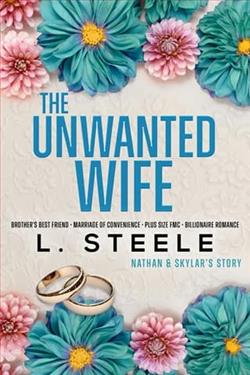
The Unwanted Wife, authored by L. Steele, is an entrancing novel that weaves intense emotions and a dynamic plot into a compelling narrative. The story artfully explores themes of betrayal, redemption, and the complexities of love, leaving readers absorbed in the tangled lives of its characters.
At its core, The Unwanted Wife delves into the poignant tale of Alessandra, who finds herself trapped in a loveless marriage with Nathan, who is cold and detached. From the outset, Alessandra's yearnings and deep-seated desires set the tone for a journey filled with unexpected developments. Her initial aim to win Nathan’s love despite his indifference gives the novel a pulsating heart, driven by her persistent quest for affection and recognition.
The characterization in the novel is particularly strong. Alessandra’s evolution from a naive, lovestruck girl into a strong, independent woman is both believable and inspiring. Her journey is not merely a transformation, but a reclaiming of self-worth and identity, painted vividly through Steele’s engaging prose. Nathan, on the other hand, is an enigmatic presence, his motives and true feelings hidden behind layers that are peeled back as the story progresses. The juxtaposition of these two characters not only drives the plot but also enriches the psychological depth of the narrative.
Steele’s narrative style is fluid and engaging, making it easy to get lost in the pages of the book. Her ability to convey profound emotional experiences in succinct yet potent expressions contributes to the novel's gripping aesthetic. The dialogue between Alessandra and Nathan crackles with tension and their interactions encapsulate a wide range of emotions, from bitter resentment to burgeoning hope. This emotional rollercoaster is one of the book’s strengths—it not only captivates but also emotionally invests the reader in the fate of its characters.
However, it’s not just the main characters that are well-crafted; the supporting cast also adds rich layers to the storytelling. Each secondary character comes with their distinct backgrounds and motivations, which interlace with the main narrative to enrich the storyline. Through friendships, rivalries, and past love interests, Steele creates a complete world around Alessandra and Nathan, which enhances the main plot and provides deeper insights into the protagonists’ lives.
The settings in The Unwanted Wife are vividly depicted, transporting readers from opulent estates to cozy, hidden corners where clandestine conversations take place. Steele’s descriptions are lush and detailed, creating atmospheric backdrops that effectively complement the emotional tone of the story.
One of the novel’s significant achievements is its pacing. Steele manages the progression of the story masterfully, ensuring that each plot point is both a revelation and a logical step forward in the narrative arc. The balance between revealing the past and moving the present story forward keeps the suspense alive and compels the reader to turn the page. This pacing is particularly effective in building up the climatic moments when past secrets come to light, reshaping everything Alessandra and Nathan thought they knew about each other.
Despite the many strengths, The Unwanted Wife could pose challenges to those who prefer a more straightforward narrative. The book’s complex emotional undertones and the slow revelation of key backstories could overwhelm readers who are new to Steele’s style of storytelling. Additionally, while the emotional depth of Alessandra is well-explained and robust, some readers might find Nathan’s character transformation a bit abrupt, especially towards the conclusion of the story.
In conclusion, The Unwanted Wife by L. Steele is a passionately written novel that will appeal to fans of intense romantic drama. With its complex characters, emotional depth, and articulate prose, it offers a journey that's as heartbreakingly poignant as it is ultimately uplifting. Fans of character-driven narratives and stories about personal transformation will find it especially gratifying. Steele not only illustrates the complexities of forging love in the unlikeliest conditions but also the strength of spirit needed to transform one’s life.



