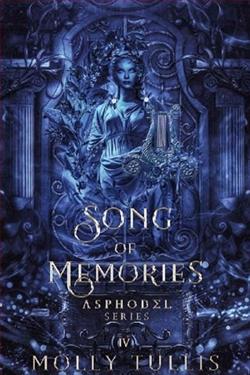
Song of Memories by Molly Tullis is a compelling novel that resonates with emotional depth and intriguing narrative creativity. The book is a beautifully woven tapestry of memory, love, and resilience that examines the complexities of the human spirit through the lens of personal history and music. Set against a backdrop of historical events and personal trials, Tullis has crafted a story that not only tugs at the heartstrings but also provokes thoughtful introspection about the nature of memory itself.
The narrative revolves around the protagonist, Eliza, a young woman grappling with the nuances of her past and the weight of her family's history. Through a series of flashbacks and present-day encounters, Eliza's journey is vividly sketched with a poignant touch that effectively draws the reader into her emotional landscape. The use of music as a recurring motif is particularly striking, acting as both a trigger for memory and a therapeutic tool for coping with her turbulent emotions.
Tullis’ writing shines in its ability to capture the subtle nuances of interpersonal relationships. Eliza’s interactions with her family members are rendered with a realism that is both relatable and heartbreaking. The dynamics of these relationships evolve throughout the novel, reflecting changes within Eliza herself, and providing a multi-dimensional view of her character’s development. Tullis’ skill in character portrayal is evident in her handling of secondary characters as well, each adding layers of complexity to the narrative and contributing to the novel’s rich emotional tapestry.
The theme of memory is central to the novel, explored not just through narrative but also through the structure of the book itself. Tullis cleverly intersperses Eliza’s recollections amongst current events, mimicking the often disjointed and non-linear way memories resurface in real life. This method enhances the authenticity of the narrative and allows for a deeper exploration into the impact of past experiences on present realities. The interplay between memory and music is beautifully rendered, with specific songs marking significant moments in Eliza’s life, thereby illustrating the power of music to evoke and shape one’s recall of events.
The historical context serves as more than just a backdrop; it influences and interacts with the personal struggles of the characters. Tullis does an excellent job of weaving historical accuracy with fictional elements, creating a believable setting that enriches the story. The depiction of cultural and historical events provides a broader social commentary while maintaining a tight focus on the protagonist’s personal growth and her family’s legacy.
However, Song of Memories is not without its flaws. At times, the pacing feels uneven, particularly in the middle section where the interjection of numerous flashbacks can occasionally disrupt the narrative flow. Moreover, while the emotional landscape of the book is its strength, there are moments where the introspective passages could be trimmed or tightened to maintain momentum.
Despite these minor criticisms, the novel excels in its intimate portrayal of coping with loss and the search for identity amidst the fragments of one's past. The resolution of the narrative, which ties together the central themes of memory and music, is both satisfying and thought-provoking. It leaves the reader with a sense of completion as well as a lingering reflection on the ways we reconstruct our own histories and identities through the memories we choose to preserve and the music that accompanies them.
In conclusion, Song of Memories is a meaningful and insightful novel that delves deeply into the complexities of human emotions, relationships, and the enduring impact of the past on the present. Molly Tullis has crafted a thoughtful and emotionally resonant story that will appeal to fans of literary fiction and those intrigued by the psychological interplay of memory and identity. Through its thoughtful narrative, engaging characters, and the seamless incorporation of music and history, the book not only entertains but also invites readers to reflect on their own life stories and the songs that soundtrack them.



