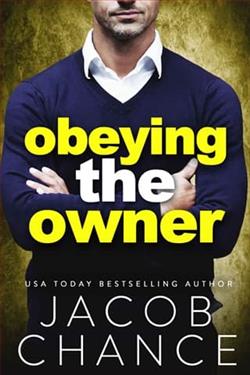
Obeying the Owner by Jacob Chance is a stirring exploration of power dynamics set against a backdrop of legal intrigue and corporate warfare. Jacob Chance masterfully intertwines themes of trust, dominance, and the quest for success into a narrative that is as provocative as it is enthralling. The novel takes readers on a deep dive into the high-stakes world of corporate tycoons where the lines between personal desires and professional duties blur, crafting a story that is both unique in its approach and universal in its implications.
The novel introduces us to Nathan Moore, a ruthlessly ambitious corporate attorney renowned for his cunning and tactical prowess. His life is a meticulous arrangement of victories, both in the courtroom and beyond. Enter Elise Kramer, a whip-smart legal intern with aspirations that reach far beyond the shadow of her mentor. Elise, with her wit and charm, progressively morphs from being a mere protege to a formidable adversary, challenging Nathan's authority at every turn.
Chance’s narrative style is crisp and vivid. He has a unique ability to draw readers into the scene, making them feel the tension in the boardrooms and the undercurrents of passion in private encounters. The author develops his characters with depth and complexity; Nathan is not just a powerful man but also one fraught with his own vulnerabilities and fears. Similarly, Elise is portrayed with a nuanced blend of ambition, intelligence, and naivety, making her both compelling and relatable.
One of the most striking features of Obeying the Owner is its rich dialogue. Jacob Chance ensures each conversation isn't just heard but felt. Discussions about legal strategies and corporate policies are interwoven with personal confessions and confrontations, creating a rhythm that keeps the reader engaged throughout. The duality of professional and personal interactions between Nathan and Elise showcases their evolving relationship and the power play that drives it, adding layers to the narrative.
The book also triumphs in setting. From the glass towers of downtown to the plush, shadowed corners of elite social clubs, the settings envelope the reader, effectively reflecting the contrasts in the lives and worldviews of the main characters. Jacob Chance’s attention to detail is meticulous, using setting not just as a backdrop but as an active element of the story that complements the mood and heightens the stakes.
Despite its many strengths, the novel is not without its areas of contention. Some readers might find the relationship dynamics between Nathan and Elise troubling, given their inherent power imbalances and the ethical dilemmas they present. The theme of control and submission is explored in multiple dimensions in the story, and at times, the handling of these sensitive themes might feel unsettling, if not controversial.
In conclusion, Obeying the Owner by Jacob Chance is a provocative read that deftly combines elements of thriller, romance, and drama. The narrative, rich in detail and character development, offers more than just a glimpse into the complex interplay between power and ambition; it invites readers to question their own views on authority, control, and autonomy. Although the novel's bold exploration of such themes may not cater to everyone's taste, it undoubtedly makes for a compelling and thought-provoking read. Jacob Chance has crafted a book that is both a psychological deep dive and a page-turning saga, ensuring that the readers remain hooked till the very end. For those intrigued by novels that challenge norms and provoke thought, Obeying the Owner will likely be a memorable pick.



