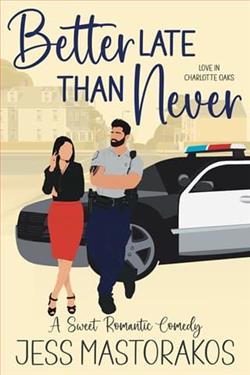
Better Late Than Never, penned by Jess Mastorakos, is a delightful addition to the landscape of contemporary romance novels, particularly in the sub-genre of military romance. The novel is the latest in Mastorakos’s "Back to You" series, which focuses on sweet romances amid military settings, emphasizing the power of second chances and true love’s resilience. This installment is not an exception, as it tenderly explores themes of love, redemption, and the struggles of adapting to life's unexpected turns.
The story revolves around the characters of Sophie Carter and Dean Cross, who find themselves entangled not only with each other but with the complications of past decisions and the impacts of military life. Sophie, a nurturing kindergarten teacher, has her life turned upside down when Dean, the man she once loved, reappears after a long absence. Dean, a Marine, comes back realizing that the love he had for Sophie never faded and he must now earn his way back into her heart. The narrative presents a realistic portrayal of the challenges faced by military families, interwoven with a heartwarming love story that promises to keep readers engaged and rooting for the protagonists.
From the onset, Better Late Than Never distinguishes itself with its well-crafted character development. Sophie is portrayed as empathetic and strong, yet vulnerable, reflecting an authentic human spirit coping with love and loss. Dean, on the other hand, epitomizes the challenges that soldiers often face, including the internal battles that come with reintegration into civilian life and the reconciliation between duty and personal desires. The author’s ability to delve deep into their psyches enhances the emotional depth of the novel, making it not just a tale of romance but a portrayal of personal evolution and resilience.
Mastorakos excels in her descriptive prowess, particularly in her depiction of the military lifestyle. The constant undercurrent of duty, sacrifice, and loyalty provides a poignant backdrop for the unfolding romance, enriching the story’s tapestry with a sense of urgency and gravity. Furthermore, the military aspect of the story is rendered with respect and accuracy, owed possibly to the author’s real-life experiences as part of a military family. Such authentic depiction adds a layer of realism and can resonate well with readers who are in the military community or anyone who appreciates reading about the more austere aspects of love.
The dynamics between Sophie and Dean are beautifully charted, with Mastorakos pacing their interactions in a way that believably reflects their past complicacies and present uncertainties. Dialogues between them crackle with both the intensity of unresolved issues and the tenderness of rekindled affection. The secondary characters also add substantial value, providing comedic relief, wisdom, and support to the main narrative and bringing a well-roundedness to the story.
What might stand out most profoundly in Better Late Than Never is the emotional nuance with which Mastorakos writes about the concept of "home." For Dean and Sophie, the notion of home goes beyond mere physical locations, encapsulating people, memories, and the spaces between them. The narrative excels at showing how home can be a refuge and at times a battlefield, a theme that elevates the novel from a simple romance to a thoughtful examination of human connections and life's impermanence.
The book is not without its minor flaws, however. Some readers might find the second chance romance trope a bit predictable, though Mastorakos introduces enough twists and heartfelt moments to keep the storyline engaging. Additionally, while the book’s primary focus on the emotional journey of its characters is its strength, those looking for more action-driven sequences or external conflict might find it a bit tame.
In conclusion, Jess Mastorakos’s Better Late Than Never is a triumph in exploring mature themes within the wrapping of a military romance. It captures the struggles and joys of love with sensitivity and realistic optimism. The poignant realization of the importance of community, support, and forgiveness in the narrative makes this novel not only engaging but also an emotionally enriching experience. For fans of military romances that offer a good mix of reality and romance, this book is certainly worth a read.



